Almost every conversation I have with a buyer in Paradise Valley eventually arrives at the same question: is the house worth keeping, or is the land the real purchase? I have worked in this market since 2004, and I grew up the daughter of a custom home builder, so I tend to look at a property the way a builder does before I look at it the way a buyer does. In a town where most lots are roughly an acre or larger and very little undeveloped land remains, that question shapes price, timeline, and how you will feel about the home five years from now.
Why Land Drives Value in Paradise Valley
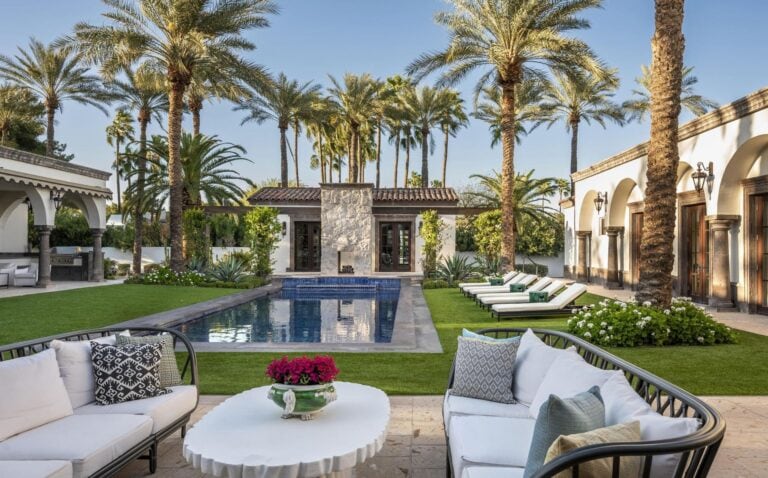
Paradise Valley is largely built out, and the town has long protected its low-density character with generous minimum lot sizes, setbacks, and limits on lot coverage and height. The practical result is that land is scarce, and in many parts of town the lot carries more of the price than the structure on it. A dated home from the 1960s through the 1990s can sit on a parcel that is worth far more than the house itself, which is why you will see older properties marketed as teardowns or as opportunities for a full reimagining.
Values vary widely by street, view, and buildable area. A flat acre in the heart of town on a quiet lane is a different asset from a hillside parcel on the shoulder of Camelback Mountain or Mummy Mountain, and published figures for the town as a whole differ depending on the source and the month, so I encourage buyers to look at recent comparable sales on the specific street rather than a town-wide average. I am always glad to pull those for you.
Who this suits: buyers who want to understand what they are really paying for, the land, the location, or the house, before they fall in love with a floor plan.
Option One: Remodel and Update an Existing Home
A thoughtful remodel is often the quickest route to living in Paradise Valley, and it can be the most sensible. Many homes here have excellent bones, mature landscaping, and settings that would be difficult to replicate today. Updating kitchens, primary suites, and outdoor living areas can transform a house without the time and cost of starting over.
The tradeoff is that renovation in an older home reveals things. Roofing, plumbing, electrical, and cooling systems from a prior era may need attention, and a floor plan can only move so far before the project begins to cost as much as new construction. If you are weighing this option, I suggest a thorough inspection and a conversation with an architect or builder before you write an offer, so that the budget you have in mind matches what the house will actually require.
Who this suits: buyers who love an established street, want to move in within months rather than years, and are comfortable with a phased approach to updates.
Option Two: Tear Down and Build Custom
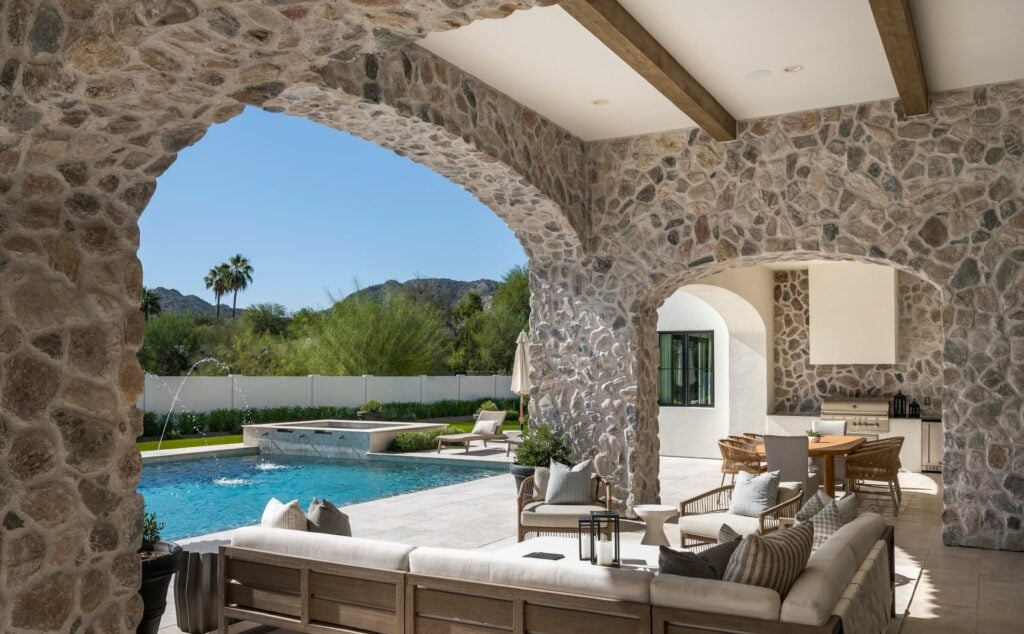
For buyers with a specific vision, building new is the most complete answer. You choose the architecture, the orientation toward the mountains, the indoor and outdoor flow, and the finishes. Paradise Valley has a strong tradition of custom work, from desert modern to Mediterranean to transitional designs, and the best builders and architects here are accustomed to the town’s review process.
That process deserves respect. Demolition requires permits, and grading and drainage plans are part of the conversation. If the property carries a hillside designation, expect additional review for grading, stormwater, and construction staging, and in some cases bonds or easements. Older homes may also need licensed abatement before demolition. None of this is a reason to avoid building, but it is a reason to build time into your plan. Custom construction in the current market commonly runs well above six hundred dollars per square foot and can climb meaningfully higher for complex hillside sites, so I encourage buyers to speak with a builder before settling on a budget.
Many families spend a year or two in a rental while they build, and some of my clients choose to rent in Arcadia or the Biltmore during that time.
Who this suits: buyers with a clear design vision, a patient timeline, and a trusted builder and architect already in mind.
Option Three: Buy New or Recently Completed
A newer custom home, or one that is nearly finished, removes the greatest unknowns. You can see the finished product, walk the property, and understand the cost before you commit. Some buyers in recent years have even purchased partially completed estates and finished them to their own taste, which can be an efficient middle path when the architecture is right.
The tradeoff is selection and price. Newer homes in the best locations are limited, and you pay for the convenience of skipping construction.
Who this suits: buyers relocating from out of state, or anyone who wants to move in soon and see exactly what they are getting.
How to Choose Between Remodeling, Rebuilding, and Buying New
I start with three questions. How soon do you need to be living in the home, how much of the design do you want to control, and how comfortable are you with uncertainty? If speed matters most, a move-in ready or lightly updated home is the clear answer. If control matters most and you have the patience, a teardown on a well-located lot is hard to beat. If you want a middle path, a strong existing home with a targeted renovation often delivers the best balance.
I would also encourage you to compare Paradise Valley with its neighbors before deciding. Some buyers discover that the character they want is closer to Arcadia, with its irrigated lots and citrus, or to Scottsdale, where dining and nightlife are minutes away. Others confirm that the privacy and acreage of Paradise Valley are exactly what they were looking for. There is no wrong answer, and this may not be your home if the numbers or the lifestyle do not fit.
Frequently Asked Questions About Buying and Building in Paradise Valley
What is the minimum lot size in Paradise Valley, Arizona?
Most residential lots in Paradise Valley are zoned for roughly one acre at a minimum, with some areas zoned for larger parcels intended for estates. Setbacks, lot coverage, and height limits also apply, so the buildable area of a lot can be smaller than the acreage suggests.
Is it cheaper to remodel or tear down and rebuild in Paradise Valley?
Remodeling is usually less expensive and faster when a home has sound structure and a workable floor plan. Once a renovation involves moving walls, replacing major systems, and reworking the whole footprint, the cost can approach that of new construction, which is why a builder’s estimate before you buy is so valuable.
How long does it take to build a custom home in Paradise Valley?
Between design, town review, and construction, many custom homes take roughly one to two years from purchase to move-in, and hillside sites can take longer. Planning for a rental or a second residence during that period is wise.
What is a hillside lot in Paradise Valley, and does it matter?
Properties on or near Camelback Mountain and Mummy Mountain may carry a hillside designation, which brings additional review for grading, drainage, and construction staging. These lots often have exceptional views, but the added review can extend both timeline and budget.
Is Paradise Valley a buyer’s market right now?
The luxury segment has been more balanced than it was a year ago, with more inventory and longer days on market in some price ranges. Well-located, well-priced homes still sell, so the best approach is to study recent sales on the specific street you are considering.
What schools serve Paradise Valley, and are there private options?
Public schools depend on the address, with parts of town served by Paradise Valley Unified and parts by Scottsdale Unified. Phoenix Country Day School is a well-known private option in the town itself. I always recommend confirming the school assignment for any specific address before making an offer.
How is Paradise Valley different from Arcadia?
Paradise Valley offers larger lots, a more private feel, and a resort-adjacent setting near Sanctuary on Camelback Mountain and Mountain Shadows. Arcadia is a Phoenix neighborhood known for flood-irrigated lawns, citrus trees, and a closer-in location with easy access to Biltmore and Old Town restaurants.
If you are weighing a remodel, a teardown, or a move-in ready home in Paradise Valley, I would be glad to walk the properties with you and connect you with trusted builders and architects. You can reach me anytime through my contact page, and we can talk through what fits your timeline and your vision.
Many thanks,
Meredith
Thinking about Paradise Valley? Explore my full Paradise Valley neighborhood guide.